
Anúncios
Navigate Smarter with Modern GPS Technology

Explore the Best Apps
GPS technology has revolutionized how we navigate the world around us. What once required paper maps, compasses, and sometimes pure luck, now happens with a few taps on our smartphones. Whether you’re commuting to work, exploring a new city, or embarking on a cross-country road trip, GPS applications have become indispensable tools in our daily lives 📱.
The evolution of navigation apps has been remarkable, transforming from simple direction providers to sophisticated assistants that offer real-time traffic updates, alternate routes, points of interest, and even augmented reality features. Understanding the landscape of GPS applications can help you choose the perfect companion for your navigation needs.
Anúncios
The Technology Behind GPS Navigation Apps
Global Positioning System technology relies on a network of satellites orbiting Earth, constantly transmitting signals that your device uses to calculate your precise location. Modern GPS apps leverage this satellite network combined with cellular data, Wi-Fi positioning, and advanced algorithms to provide accurate, real-time navigation guidance.
These applications have evolved far beyond simple point-to-point directions. They now incorporate machine learning to predict traffic patterns, crowdsourced data to identify road hazards, and sophisticated mapping databases that are updated continuously. The result is a navigation experience that adapts to changing conditions in real-time, ensuring you always have the most efficient route at your fingertips 🛰️.
Anúncios
How GPS Accuracy Has Improved Over Time
Early GPS systems had accuracy ranges of 10-20 meters under ideal conditions. Today’s technology can pinpoint your location within 5 meters or less, with some specialized systems achieving centimeter-level precision. This improvement comes from enhanced satellite networks, better signal processing, and the integration of multiple positioning technologies working together.
Essential Features to Look for in GPS Applications
When selecting a GPS navigation app, certain features distinguish exceptional tools from basic ones. Understanding what to prioritize can significantly enhance your navigation experience and ensure you’re getting the most value from your chosen application.
- Offline map capability: Essential for areas with poor cellular coverage or international travel where data roaming is expensive
- Real-time traffic updates: Helps avoid congestion and saves valuable time during commutes
- Voice-guided navigation: Allows hands-free operation for safer driving
- Multi-stop route planning: Perfect for running errands or planning complex journeys
- Alternative route suggestions: Provides flexibility when unexpected obstacles arise
- Speed limit warnings: Helps maintain safe and legal driving speeds
- Lane guidance: Ensures you’re in the correct position for upcoming turns or exits
Advanced Features That Set Premium Apps Apart
Beyond the basics, premium GPS applications offer features like augmented reality navigation overlays, integration with calendar appointments for automatic routing, parking availability information, and even fuel price comparisons along your route. These conveniences can transform navigation from a necessary task into a seamless part of your daily routine ✨.
Popular GPS Navigation Apps and Their Unique Strengths
The GPS app marketplace offers diverse options, each with distinct advantages tailored to different user needs. From free community-driven platforms to premium subscription services, understanding what each brings to the table helps you make an informed choice.
Google Maps: The Universal Navigator
Google Maps dominates the navigation landscape with comprehensive coverage spanning virtually every corner of the globe. Its strength lies in constantly updated information, extensive points of interest database, and seamless integration with other Google services. The app excels at providing detailed business information, reviews, photos, and operating hours alongside navigation directions.
Google Maps also offers unique features like Live View, which uses augmented reality to overlay directional arrows on your camera view, making pedestrian navigation in complex urban environments significantly easier. The Timeline feature automatically records your location history, creating a personal travel diary many users find valuable 🗺️.
Waze: Community-Powered Navigation
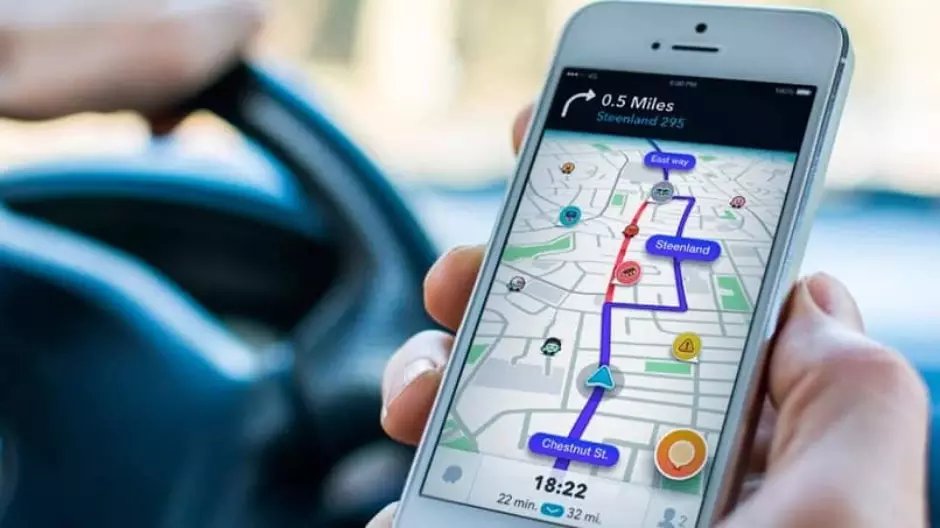
Waze differentiates itself through crowd-sourced real-time information. Millions of users contribute data about traffic conditions, accidents, police presence, road hazards, and even the cheapest gas stations nearby. This community-driven approach often provides the most current road condition information available.
The app’s social features allow you to see friends on the road, coordinate arrivals, and share your estimated arrival time automatically. Waze’s routing algorithm aggressively seeks the fastest route, sometimes suggesting unconventional paths that save significant time during heavy traffic periods.
Apple Maps: Seamless iOS Integration
For iPhone users, Apple Maps offers unparalleled integration with the iOS ecosystem. Siri voice commands, Apple Watch compatibility, and automatic suggestions based on calendar events create a frictionless navigation experience. Recent updates have dramatically improved accuracy and coverage, especially in major metropolitan areas.
Apple Maps emphasizes privacy, processing most navigation data on-device rather than sending it to servers. The Flyover feature provides stunning 3D views of major cities, while Indoor Maps help navigate large airports, shopping centers, and transit stations 🍎.
Specialized GPS Applications for Specific Needs
While general-purpose navigation apps serve most users well, specialized applications cater to specific activities and requirements. These focused tools often provide superior experiences for their intended use cases.
Outdoor and Hiking Navigation
Apps like AllTrails, Gaia GPS, and Komoot specialize in outdoor recreation, offering topographic maps, trail information, elevation profiles, and downloadable offline maps for remote areas. These applications include features like waypoint marking, track recording, and community-contributed trail reviews with photos and difficulty ratings.
For serious hikers, backpackers, and outdoor enthusiasts, these specialized tools provide critical information that general navigation apps lack, including terrain details, water sources, and camping locations 🏔️.
Professional and Commercial Navigation
Truck drivers, delivery professionals, and commercial vehicle operators require specialized routing that accounts for vehicle size, weight restrictions, bridge clearances, and hazardous material regulations. Apps like Sygic Truck GPS and CoPilot GPS provide these essential features, preventing costly violations and dangerous situations.
These professional tools also offer advanced route optimization for multiple stops, hours-of-service tracking for compliance with driving regulations, and integration with fleet management systems.
Cycling-Specific Navigation
Cyclists benefit from specialized apps like Komoot, Ride with GPS, and Cyclemeter that prioritize bike-friendly routes, calculate elevation profiles, track fitness metrics, and integrate with cycling computers and smartwatches. These applications understand that the fastest car route isn’t necessarily the best cycling path 🚴.
Offline Navigation: Staying Connected When There’s No Signal
One of the most valuable features in modern GPS apps is offline map capability. This functionality proves essential when traveling internationally, exploring remote areas, or simply conserving mobile data.
Apps like HERE WeGo, Maps.me, and OsmAnd offer robust offline navigation with downloadable regional or country-specific maps. These applications continue providing turn-by-turn directions, points of interest, and route calculation without any internet connection required. Before embarking on trips to areas with questionable connectivity, downloading maps in advance provides peace of mind.
How Offline Maps Work
Offline navigation apps store map data, routing algorithms, and points of interest locally on your device. While you won’t receive real-time traffic updates without connectivity, the core navigation functionality remains fully operational. GPS satellite signals don’t require cellular data, so your device can still determine your precise location and provide accurate directions 📡.
Privacy Considerations with GPS Applications
Navigation apps necessarily track your location, raising important privacy considerations. Understanding how different apps handle your location data helps you make informed decisions about which services align with your privacy preferences.
Some applications store detailed location histories on company servers for service improvement and targeted advertising. Others process data locally or offer settings to limit data collection. Reading privacy policies and adjusting app permissions appropriately ensures you maintain control over your personal information.
Balancing Convenience and Privacy
Many navigation features that users value most—like predictive routing based on your habits or automatic suggestions for where you might be heading—require collecting and analyzing location data. Finding the right balance between convenience and privacy is a personal decision that depends on your individual priorities and risk tolerance 🔒.
Battery Optimization for GPS Navigation
GPS functionality is power-intensive, often draining batteries quickly during extended navigation sessions. Several strategies can extend battery life while maintaining navigation capabilities.
- Reduce screen brightness or use automatic brightness adjustment
- Download offline maps to reduce cellular data usage
- Close unnecessary background apps
- Enable battery saver modes when possible
- Use a car charger during vehicle navigation
- Consider portable battery packs for pedestrian navigation
Some navigation apps offer battery-saving modes that reduce update frequency or simplify map displays to conserve power without completely sacrificing functionality.
The Future of GPS Navigation Technology
Navigation technology continues evolving rapidly, with exciting developments on the horizon. Augmented reality navigation is becoming more sophisticated, overlaying directions directly onto your view of the real world through your phone’s camera or smart glasses.
Artificial intelligence is improving route prediction, learning your preferences and habits to provide increasingly personalized navigation experiences. Integration with autonomous vehicle technology will eventually transform navigation from something drivers do into something vehicles handle automatically 🚗.
5G and Enhanced Real-Time Information
The rollout of 5G networks promises faster data transmission and lower latency, enabling even more responsive real-time traffic updates and enhanced features like high-definition map streaming. Vehicle-to-vehicle communication may soon supplement traditional GPS data with direct information sharing between cars on the road.
Making the Most of Your GPS Navigation App
Maximizing the value from your navigation app requires exploring its full feature set and customizing settings to match your preferences. Most users barely scratch the surface of what their GPS apps can do.
Take time to explore settings menus, where you can often customize voice guidance preferences, choose between different route types (fastest vs. shortest vs. most fuel-efficient), enable or disable specific features, and adjust map display options. Many apps offer tutorial modes or help sections that introduce lesser-known capabilities.
Integration with Other Services and Devices
Modern GPS apps work best when integrated into your broader digital ecosystem. Connect your navigation app with your car’s infotainment system through Android Auto or Apple CarPlay for larger displays and better integration. Sync with smartwatches for turn-by-turn directions delivered through haptic vibrations. Link with music streaming services to control playback without leaving navigation mode 🎵.
Troubleshooting Common GPS Navigation Issues
Even the best navigation apps occasionally encounter problems. Understanding common issues and their solutions helps you get back on track quickly.
If GPS accuracy seems poor, ensure location services are fully enabled (not just “while using”), check that you have a clear view of the sky for better satellite reception, and restart the app or your device. Calibrating your device’s compass by moving it in a figure-eight pattern can improve directional accuracy.
For persistent issues, clearing the app’s cache, updating to the latest version, or reinstalling the application often resolves problems. Ensure your device’s operating system is current, as GPS functionality depends on system-level location services.
Choosing Your Perfect Navigation Companion
With countless GPS applications available, selecting the right one depends on your specific needs, preferences, and usage patterns. Consider whether you primarily navigate in urban or rural environments, whether offline capability is important, and which ecosystem (iOS, Android, or cross-platform) you’re invested in.
Many users benefit from installing multiple navigation apps and using different ones for different purposes—perhaps Google Maps for general navigation, Waze for daily commuting, and a specialized app for hiking or cycling. Most navigation apps are free or offer free tiers, making experimentation easy and risk-free 🌟.
The remarkable thing about modern GPS navigation technology is how it democratizes access to information that was once the domain of professional navigators and cartographers. Whether you’re finding your way in an unfamiliar city, optimizing your daily commute, or exploring wilderness trails, the right GPS application transforms navigation from a source of stress into a tool of empowerment and discovery.
