
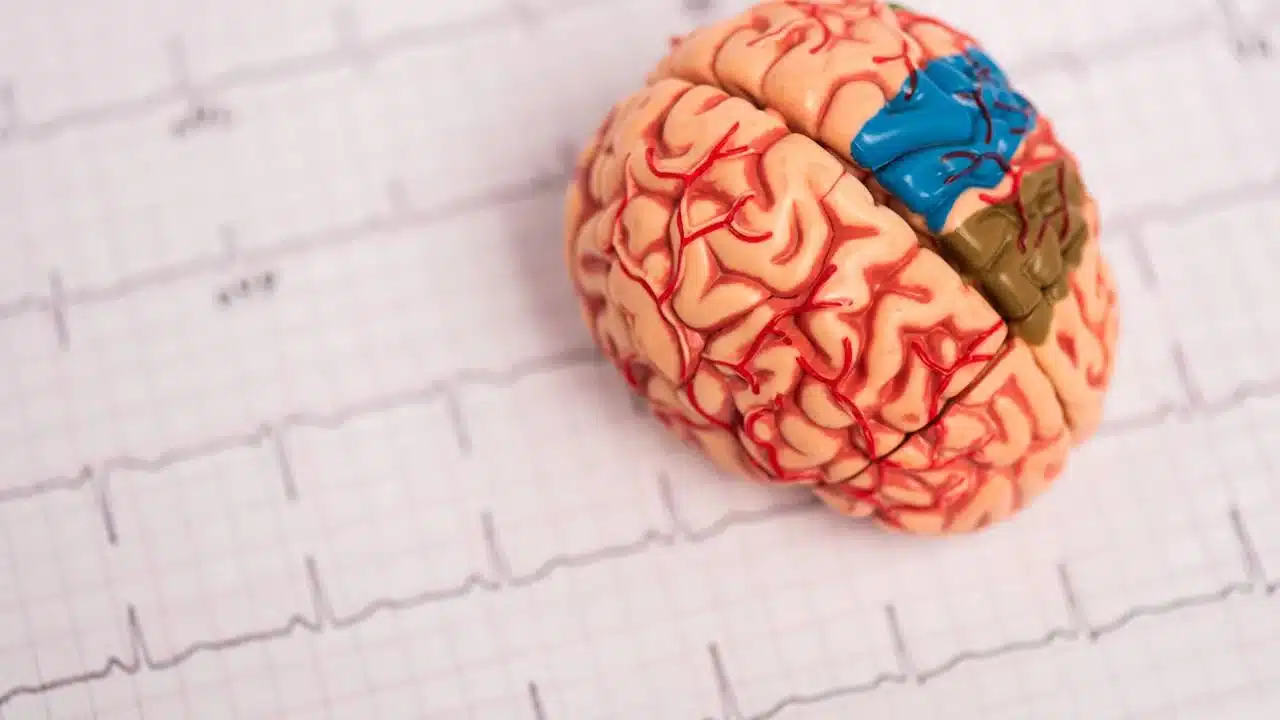
Anúncios
Your Brain’s Aging Journey: What You Need to Know
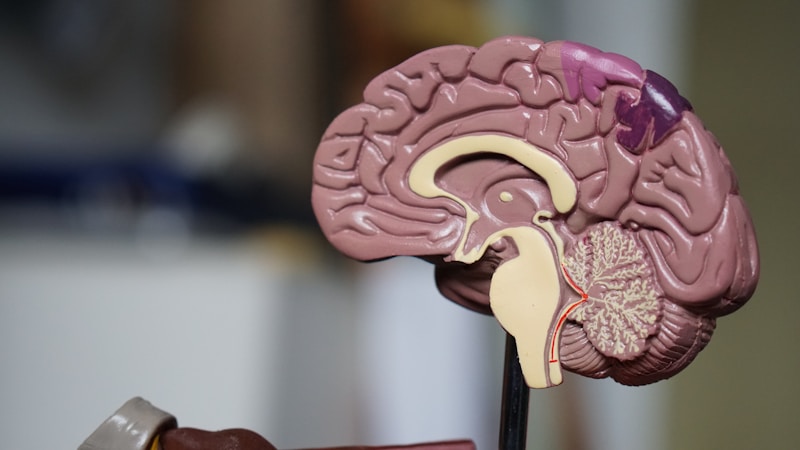
Take the Free Test Now
Have you ever walked into a room and completely forgotten why you went there? Or struggled to recall the name of someone you’ve met several times? While these moments might seem like harmless “senior moments,” they could actually be early indicators that your brain is beginning its natural aging process. Understanding whether your cognitive abilities are changing at a normal rate or accelerating beyond what’s typical for your age is crucial for maintaining optimal brain health throughout your lifetime. 🧠
The good news is that brain aging isn’t an inevitable decline into confusion and memory loss. Modern neuroscience has revealed that our brains possess remarkable plasticity—the ability to form new neural connections and adapt throughout our entire lives. By identifying early signs of cognitive changes and taking proactive steps, you can potentially slow down or even reverse certain aspects of brain aging. This comprehensive guide will help you recognize the warning signs, understand what’s happening inside your skull, and discover actionable strategies to keep your mind sharp for decades to come.
Anúncios
Understanding the Science Behind Brain Aging 🔬
Your brain doesn’t age the same way your skin wrinkles or your hair turns gray. Instead, it undergoes complex structural and chemical changes that happen gradually over time. Starting around age 30, most people begin experiencing a slow decline in brain volume—approximately 5% per decade after age 40. This shrinkage primarily affects the frontal cortex and hippocampus, regions critical for memory formation, decision-making, and executive functions.
At the cellular level, several processes contribute to cognitive aging. The myelin sheath—a protective coating around nerve fibers that speeds up signal transmission—begins to deteriorate. Simultaneously, the production of neurotransmitters like dopamine and serotonin decreases, affecting mood, motivation, and information processing speed. Blood flow to the brain also diminishes, reducing the oxygen and nutrients your neurons need to function optimally.
Anúncios
What makes brain aging particularly interesting is its variability. Two people of the same chronological age can have vastly different “brain ages” based on genetics, lifestyle choices, education level, and environmental factors. Someone who is 60 years old might have the cognitive performance of a typical 45-year-old, while another person at 50 could display patterns more consistent with a 65-year-old brain.
The Difference Between Normal Aging and Cognitive Decline
Not all memory lapses signal trouble. Normal age-related changes include occasionally forgetting names, taking longer to learn new information, or experiencing “tip-of-the-tongue” moments more frequently. These changes typically don’t interfere significantly with daily life or independence.
Problematic cognitive decline, however, involves persistent difficulties that worsen over time. This might include repeatedly asking the same questions, getting lost in familiar places, struggling with routine tasks, or experiencing personality changes. The key distinction lies in the pattern, frequency, and impact of these challenges on your everyday functioning.
Nine Critical Warning Signs Your Brain Is Aging Faster Than It Should ⚠️
Recognizing the early indicators of accelerated brain aging can make all the difference in preserving your cognitive abilities. Here are the most significant red flags to watch for:
1. Memory Disruptions That Affect Daily Life
While forgetting an appointment occasionally is normal, frequently forgetting recently learned information, important dates, or relying heavily on reminder notes for things you used to remember easily could indicate concerning changes. Pay special attention if you forget information even after being reminded multiple times or can’t recall events from earlier the same day.
2. Challenges in Planning or Problem-Solving
Do you find yourself struggling with tasks that require sequential thinking? Difficulty following a familiar recipe, managing monthly bills, or keeping track of regular medications might reflect declining executive function. Taking significantly longer to complete routine tasks that used to be automatic is another warning sign worth noting.
3. Confusion with Time or Place 📅
Losing track of dates, seasons, or the passage of time—beyond simply forgetting what day of the week it is—can signal cognitive changes. Getting disoriented in familiar neighborhoods, forgetting how you arrived somewhere, or not recognizing where you are requires attention.
4. Vision Problems Beyond Normal Eye Issues
While cataracts and other eye conditions affect vision, brain aging can cause difficulty reading, judging distance, determining color contrast, or experiencing visual hallucinations. These visual-spatial challenges can make activities like driving increasingly problematic.
5. Word-Finding Difficulties in Conversation
Everyone occasionally searches for the right word, but frequent problems following or joining conversations, stopping mid-sentence without knowing how to continue, or calling things by the wrong name repeatedly (like calling a watch a “hand-clock”) may indicate cognitive processing issues.
6. Misplacing Items and Losing the Ability to Retrace Steps
Putting things in unusual places and being unable to retrace your steps to find them differs from the occasional misplaced keys. This might involve putting the remote control in the refrigerator or finding your wallet in a shoe without any memory of placing it there.
7. Decreased or Poor Judgment 🎯
Significant changes in decision-making abilities—such as giving large amounts of money to telemarketers, paying less attention to personal grooming, or making uncharacteristically risky choices—can reflect diminishing cognitive control and reasoning abilities.
8. Withdrawal from Work or Social Activities
Removing yourself from hobbies, social engagements, work projects, or sports you previously enjoyed might stem from cognitive difficulties. People experiencing brain aging often withdraw because they’re struggling to keep up with conversations, follow sports rules, or remember how to complete favorite activities.
9. Mood and Personality Changes
Brain aging can trigger depression, anxiety, confusion, suspiciousness, or fearfulness—especially in situations outside comfort zones. Becoming unusually irritable, exhibiting inappropriate social behavior, or displaying reduced empathy represents meaningful changes worth investigating.
How Brain Aging Tests Actually Work 🔍
Modern cognitive assessments have evolved far beyond simple memory quizzes. Comprehensive brain aging tests evaluate multiple domains of cognitive function to create a detailed profile of your mental capabilities.
Most scientifically validated tests examine five key areas: memory (both short-term and long-term), attention and concentration, processing speed, executive function (planning and decision-making), and language abilities. By comparing your performance against age-adjusted norms, these assessments can determine whether your cognitive function aligns with typical aging or shows concerning deviations.
Types of Brain Age Assessments Available
Online digital assessments have become increasingly sophisticated, offering gamified tests that measure reaction times, pattern recognition, memory recall, and problem-solving abilities. These tests typically take 15-30 minutes and provide immediate feedback about your cognitive age compared to your chronological age.
Clinical neuropsychological evaluations represent the gold standard, involving hours of testing administered by trained professionals. These comprehensive batteries can detect subtle changes and provide diagnostic-level insights about specific cognitive strengths and weaknesses.
Emerging technologies include brain imaging (MRI and PET scans) that measure actual brain structure and function, blood-based biomarker tests that detect proteins associated with neurodegeneration, and computerized cognitive training programs that both assess and improve brain function simultaneously.
The Lifestyle Factors Accelerating Your Brain’s Aging Clock ⏰
Your daily habits exert tremendous influence over how quickly your brain ages. Understanding these factors empowers you to make changes that protect cognitive health.
Sleep Deprivation: The Silent Cognitive Killer
Chronic poor sleep doesn’t just make you tired—it literally ages your brain faster. During deep sleep, your brain clears out toxic proteins, consolidates memories, and repairs cellular damage. Consistently getting less than seven hours of quality sleep accelerates cognitive decline and increases dementia risk by up to 30%.
Sedentary Behavior and Physical Inactivity
Your brain requires robust blood flow to thrive, and physical activity is one of the most powerful ways to maintain cerebral circulation. People who sit for more than 10 hours daily show accelerated thinning in brain regions critical for memory formation. Conversely, regular aerobic exercise can actually increase hippocampal volume, effectively making your memory center younger. 🏃♀️
Poor Dietary Choices and Brain Health
The Western diet—high in processed foods, refined sugars, and unhealthy fats—promotes inflammation and oxidative stress that damage brain cells. Diets rich in antioxidants, omega-3 fatty acids, and anti-inflammatory compounds protect neural tissue and support cognitive function well into old age.
Chronic Stress and Elevated Cortisol
Prolonged stress exposure floods your brain with cortisol, which can damage the hippocampus and impair memory formation. People with unmanaged chronic stress show patterns of accelerated brain aging, including reduced brain volume and premature cognitive decline.
Social Isolation and Loneliness
Humans are social creatures, and our brains thrive on meaningful interpersonal connections. Social isolation increases dementia risk by approximately 50%, comparable to smoking 15 cigarettes daily. Conversely, maintaining strong social networks preserves cognitive function and may delay brain aging by several years.
Proven Strategies to Reverse or Slow Brain Aging 💪
The remarkable news from neuroscience research is that brain aging isn’t entirely predetermined. Evidence-based interventions can measurably improve cognitive function and even reverse certain age-related declines.
Cognitive Training and Mental Stimulation
Challenging your brain with novel, complex activities builds cognitive reserve—a buffer that protects against age-related decline. Learning a new language, musical instrument, or complex skill creates new neural pathways and strengthens existing connections. The key is choosing activities that push you slightly beyond your comfort zone rather than mindlessly repeating familiar tasks.
Research shows that just 10 hours of computerized brain training can produce improvements in reasoning and processing speed that persist for up to 10 years. The most effective programs target multiple cognitive domains and progressively increase difficulty as you improve.
The MIND Diet: Nutrition for Neurological Health
The Mediterranean-DASH Intervention for Neurodegenerative Delay (MIND) diet combines elements proven to support brain health. This approach emphasizes:
- Leafy green vegetables (at least six servings weekly)
- Other vegetables (one serving daily)
- Berries, especially blueberries (two servings weekly)
- Nuts (five servings weekly)
- Olive oil as the primary cooking fat
- Whole grains (three servings daily)
- Fish (at least once weekly)
- Beans and legumes (three servings weekly)
- Poultry (two servings weekly)
- Limited red meat, butter, cheese, sweets, and fried foods
Studies show people who adhere closely to the MIND diet reduce their Alzheimer’s risk by up to 53%, while even moderate adherence provides approximately 35% risk reduction.
Exercise: The Ultimate Brain-Boosting Medicine 🚴♂️
Physical activity stands as perhaps the single most powerful intervention for brain health. Aerobic exercise increases production of brain-derived neurotrophic factor (BDNF), a protein that stimulates new neuron growth and protects existing brain cells.
The optimal prescription includes 150 minutes of moderate aerobic activity weekly, combined with strength training twice weekly and balance exercises for older adults. Even modest increases in physical activity—like walking 30 minutes daily—produce measurable cognitive benefits within weeks.
Sleep Optimization for Cognitive Restoration
Prioritizing sleep quality may be the most underrated brain health intervention. Implement these evidence-based strategies:
- Maintain consistent sleep-wake times, even on weekends
- Create a cool, dark, quiet sleep environment (65-68°F is ideal)
- Avoid screens for at least one hour before bed
- Limit caffeine after 2 PM and alcohol in the evening
- Practice relaxation techniques like progressive muscle relaxation or meditation
- Consider cognitive behavioral therapy for insomnia (CBT-I) if sleep problems persist
Stress Management and Mindfulness Practices
Regular meditation and mindfulness practices literally change brain structure. Eight weeks of mindfulness meditation can increase gray matter density in regions associated with memory, emotional regulation, and perspective-taking while decreasing activity in the amygdala (the brain’s stress center).
Other effective stress-reduction techniques include yoga, deep breathing exercises, time in nature, and engaging in flow-state activities that fully absorb your attention. The goal is finding sustainable practices that lower your baseline stress levels rather than just managing acute stress episodes.
When to Seek Professional Evaluation 🏥
While online brain age tests provide useful insights, certain situations warrant professional medical assessment. Consider scheduling an evaluation if you or loved ones notice:
- Memory problems that interfere with work or daily activities
- Difficulty completing familiar tasks at home or work
- Getting lost in familiar places
- Poor or decreased judgment
- Problems with abstract thinking
- Misplacing things more frequently
- Changes in mood or personality
- Loss of initiative or withdrawal from usual activities
Early detection of cognitive decline enables earlier intervention, which can significantly impact outcomes. Many conditions that affect brain function—including vitamin deficiencies, thyroid problems, depression, and medication side effects—are entirely treatable when identified promptly.
The Future of Brain Age Testing and Cognitive Enhancement 🚀
Emerging technologies promise revolutionary advances in how we assess and maintain brain health. Artificial intelligence algorithms can now predict cognitive decline years before symptoms appear by analyzing subtle patterns in speech, typing speed, and digital behavior.
Wearable devices are beginning to track brain health biomarkers continuously, providing real-time feedback about how daily activities affect cognitive function. Some devices use electroencephalography (EEG) to measure brain wave patterns associated with mental clarity and focus.
In the pharmaceutical realm, several promising compounds are in clinical trials, targeting the underlying mechanisms of brain aging rather than just symptoms. From senolytics that clear aged cells to drugs that boost neuroplasticity, the future landscape of cognitive enhancement looks increasingly hopeful.
Taking Action: Your Brain Health Action Plan Today 📋
Armed with knowledge about brain aging, the question becomes: what will you do differently starting today? Even small changes implemented consistently can produce meaningful results over time.
Begin by taking a baseline cognitive assessment to understand your current brain age. This establishes a reference point for tracking progress and identifies specific areas needing attention. Many free, scientifically validated tests are available online, or you can request a cognitive screening at your next medical appointment.
Next, audit your lifestyle against the major brain health factors: sleep quality, physical activity, diet, stress levels, social connection, and mental stimulation. Rather than attempting to overhaul everything simultaneously, choose 1-2 areas where small improvements would yield the biggest impact.
Consider implementing a “brain health stack” of complementary interventions. For example, you might commit to a daily 30-minute walk (addressing exercise), during which you listen to educational podcasts (mental stimulation), followed by a brief meditation session (stress management). This approach efficiently targets multiple cognitive health factors simultaneously.
Track your progress objectively by retaking cognitive assessments every 3-6 months. Subjective improvements in focus, memory, and mental clarity often appear before measurable changes in test scores, but having objective data helps maintain motivation during plateaus.
Remember that brain health exists on a continuum, and there’s no universal “perfect” score. The goal isn’t achieving some idealized cognitive state but rather optimizing your personal brain function and slowing the natural aging process that affects everyone.
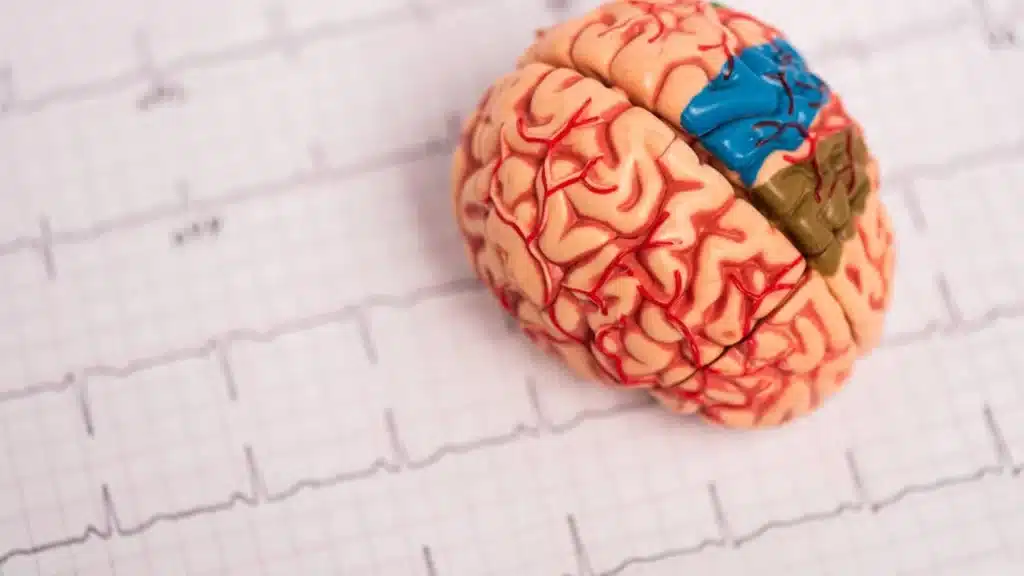
Your Brain Deserves Investment at Every Age 🌟
Understanding whether your brain is aging faster than necessary represents the first step toward taking control of your cognitive future. The convergence of neuroscience research, accessible testing tools, and proven lifestyle interventions means you have unprecedented power to influence your brain’s aging trajectory.
Your brain remains remarkably adaptable throughout your entire lifespan. The neural connections you build today, the foods you choose tomorrow, the sleep you prioritize this week—all contribute to your cognitive reserve decades from now. Every positive choice compounds over time, creating a buffer against age-related decline and preserving the mental sharpness that defines your independence and quality of life.
The question isn’t whether your brain will age—that’s inevitable for everyone. The real question is whether you’ll age optimally, maintaining cognitive vitality well into your later years, or whether preventable factors will accelerate decline unnecessarily. Taking a free brain age test today costs nothing but a few minutes of your time, yet the insights gained could literally add years of quality cognitive function to your life.
Don’t wait for concerning symptoms to appear before taking action. The most effective interventions happen during the preclinical phase, when your brain still possesses maximum plasticity and resilience. Start assessing, start protecting, and start optimizing your most valuable asset—your mind. Your future self will thank you for the investment you make today. 💙
