
Anúncios
Best FM Radio Apps for Your Smartphone

Discover Now
In an era dominated by streaming services and podcasts, FM radio continues to hold a special place in our daily routines. Whether you’re commuting to work, exercising at the gym, or simply relaxing at home, having access to live radio broadcasts on your smartphone offers a unique blend of entertainment, news, and community connection that on-demand content simply can’t replicate.
The evolution of mobile technology has transformed how we consume radio content. Modern smartphones come equipped with powerful capabilities that allow us to tune into our favorite stations without needing a traditional radio receiver. Let’s explore the fascinating world of FM radio apps and discover which solutions work best for different needs and preferences. 📻
Anúncios
Why Listen to FM Radio on Your Phone?
Before diving into specific applications, it’s worth understanding why millions of people still prefer FM radio despite having access to countless streaming platforms. The answer lies in the unique characteristics that make radio broadcasting irreplaceable for many listeners.
FM radio delivers real-time content that connects you to what’s happening right now in your community and around the world. When breaking news occurs, radio stations are often among the first to report it. Morning shows provide companionship during your commute, local DJs introduce you to new music, and emergency broadcasts can be lifesaving during natural disasters or critical situations.
Anúncios
Another compelling advantage is data consumption—or rather, the lack thereof when using built-in FM receivers. Unlike internet radio streaming that can quickly deplete your mobile data allowance, traditional FM radio apps that utilize your phone’s hardware consume zero data. This feature becomes particularly valuable when you’re traveling, have limited data plans, or find yourself in areas with poor internet connectivity.
Understanding FM Radio Technology in Smartphones
Most modern smartphones actually contain FM radio chips embedded in their hardware. These chips are capable of receiving FM broadcast signals without requiring an internet connection. However, many manufacturers choose to disable this functionality, either due to business relationships with streaming services or simply because they believe users don’t demand it.
When FM radio functionality is activated, your phone can pick up local broadcasts just like a traditional radio would. The catch? You need to plug in wired headphones or earbuds, as the cable serves as an antenna to receive the radio signal. This requirement surprises many users who’ve grown accustomed to wireless audio, but it’s a necessary component of the technology. 🎧
Some applications work around hardware limitations by streaming radio stations over the internet instead. While this approach doesn’t offer the data-saving benefits of true FM reception, it does provide access to thousands of stations from around the world and works on any smartphone regardless of whether the FM chip is enabled.
NextRadio: Bridging Traditional and Digital Broadcasting
NextRadio emerged as one of the pioneering applications designed specifically to activate the FM radio chip in compatible smartphones. Developed by TagStation, this app created a hybrid experience that combined traditional FM broadcasting with modern digital features.
The application’s primary strength was its ability to tap into your phone’s built-in FM receiver, allowing you to listen to local stations without consuming any mobile data. This made it an ideal companion for users with limited data plans or those who frequently found themselves in areas with spotty internet coverage.
What set NextRadio apart from simply turning on an FM receiver was its smart integration of digital information. While you listened to a station via FM, the app would simultaneously pull in additional data over the internet (using minimal bandwidth) to display album art, song information, and artist details. You could even tag songs you liked to create playlists on streaming services later.
The visual interface showed you all available local stations with their signal strength, making it easy to find clear broadcasts in your area. Emergency alert functionality ensured you’d receive critical notifications even when using the app, addressing one of radio’s most important public safety functions.
NextRadio’s Evolution and Current Status
It’s important to note that NextRadio’s journey took an interesting turn. The application underwent rebranding and evolution, eventually transitioning away from its original model. However, its legacy lives on in how it demonstrated the viability and appeal of enabling FM radio functionality on smartphones.
The app proved that users genuinely wanted access to local radio broadcasts on their devices, influencing both hardware manufacturers and other app developers to pay attention to this market segment. For users seeking similar functionality today, several alternatives have emerged to fill this space with comparable or even enhanced features.
Radio FM: Simple and Effective Local Broadcasting
For users who prioritize simplicity and direct access to FM broadcasts, Radio FM apps (available from various developers) provide straightforward solutions. These applications focus on delivering exactly what their name promises: FM radio reception on your mobile device without unnecessary complications.
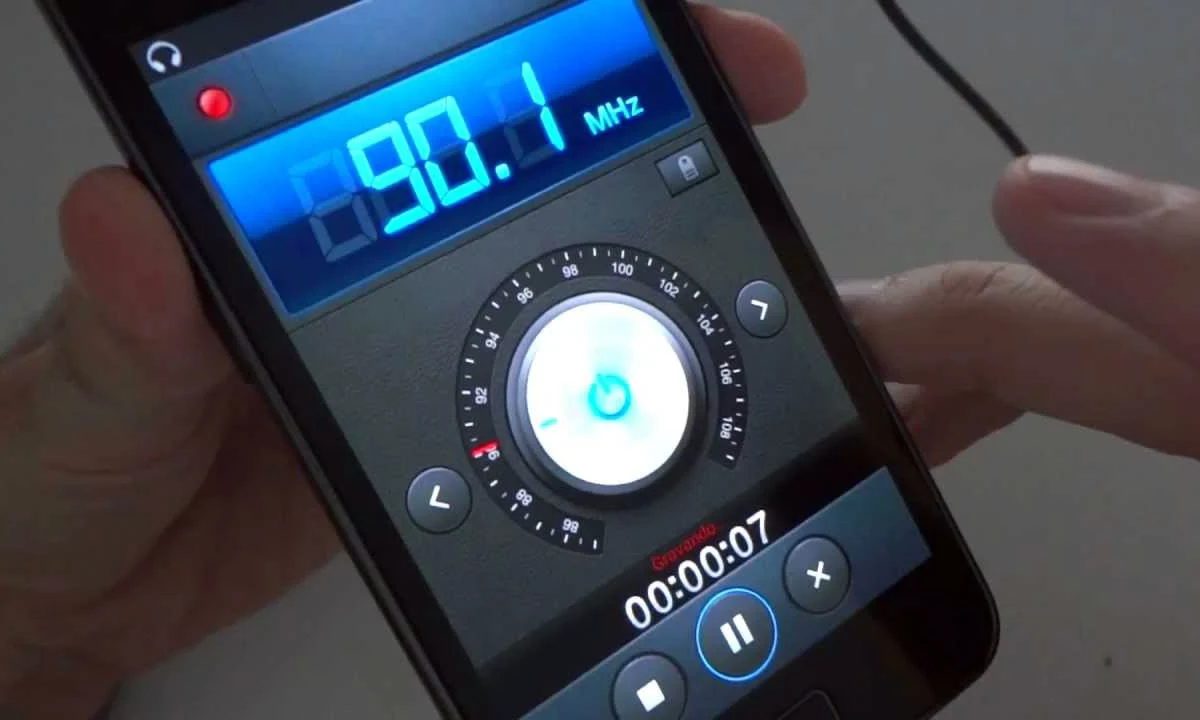
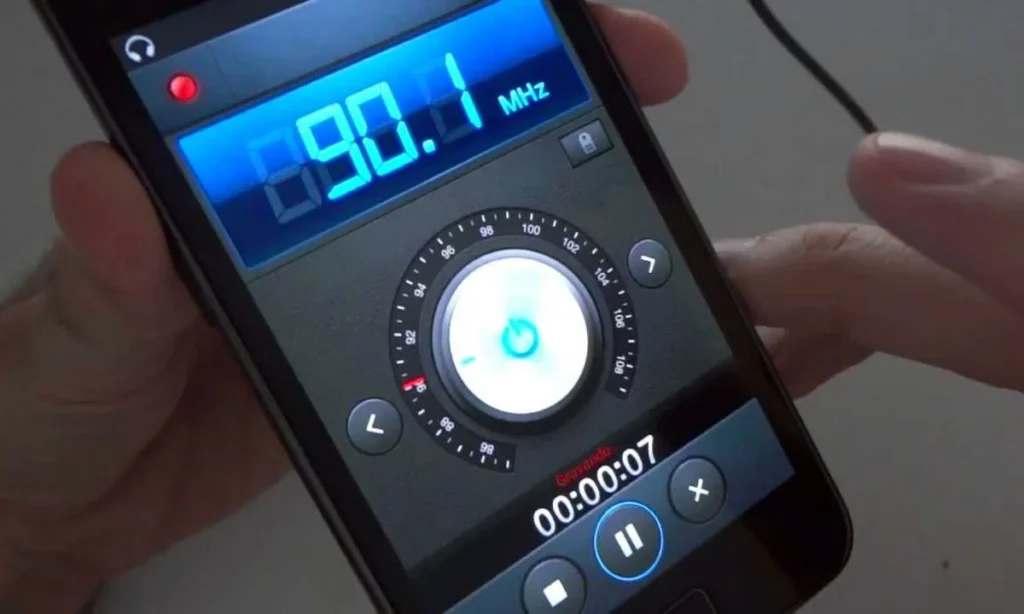
The typical Radio FM app interface presents a clean, intuitive design reminiscent of physical radio tuners. You’ll see a frequency dial or station list, volume controls, and preset buttons for saving your favorite channels. This familiarity makes the learning curve virtually nonexistent—if you’ve ever used a radio before, you already know how to use these apps. 📡
Most Radio FM applications require compatible hardware with an enabled FM chip to function. When you launch the app for the first time, it automatically scans for available stations in your area, building a list of clear signals you can access. The scanning process typically takes just a minute or two and can be repeated whenever you travel to a new location.
Key Features That Matter
Quality Radio FM apps distinguish themselves through thoughtful features that enhance the listening experience:
- Auto-scan and manual tuning: Automatically find stations or manually dial in specific frequencies
- Station presets: Save your favorite channels for one-tap access
- Sleep timer: Fall asleep to your favorite station without draining battery all night
- Recording capabilities: Some versions allow you to record broadcasts for later listening
- Background playback: Continue listening while using other apps
- Widget support: Control playback directly from your home screen
The beauty of these straightforward applications lies in their resource efficiency. Because they’re accessing FM signals through your phone’s hardware rather than streaming over the internet, they consume minimal battery power and zero mobile data. This makes them perfect for extended listening sessions during long commutes or outdoor activities.
TuneIn Radio: The Global Streaming Powerhouse
While hardware-based FM apps excel at local radio reception, TuneIn Radio takes an entirely different approach by focusing on internet streaming. This distinction is crucial: TuneIn doesn’t use your phone’s FM chip at all. Instead, it streams radio stations from around the world directly through your internet connection. 🌍
The app’s extensive directory includes over 100,000 radio stations spanning every genre imaginable—music, news, sports, talk shows, and specialized content in dozens of languages. Whether you want to listen to a small college station in rural America, catch BBC news broadcasts, or discover music from Tokyo’s underground scene, TuneIn provides access.
Beyond live radio, TuneIn aggregates millions of podcasts, making it a one-stop destination for audio content. The app’s search and discovery features help you find new stations based on genre, location, or topic. If you’re interested in jazz, for example, you can browse dozens of dedicated jazz stations from different countries, each offering unique programming and musical perspectives.
Premium Features Worth Considering
TuneIn offers a free tier with ads and a premium subscription that unlocks additional benefits. The premium version removes advertising, provides access to exclusive sports broadcasts including live NFL, MLB, and NBA games, and enables unlimited listening to select music stations without interruption.
The app integrates beautifully with smart home devices, car entertainment systems, and wearables. You can start listening on your phone during your commute, then seamlessly continue on your smart speaker when you arrive home. This ecosystem integration makes TuneIn particularly attractive for users invested in connected home technology.
For podcast enthusiasts, TuneIn’s strength lies in its unified interface that treats radio and podcasts equally. You can subscribe to shows, download episodes for offline listening, and receive notifications when new content becomes available—all within the same app you use for live radio.
Comparing Data Usage: FM vs. Streaming
Understanding the data implications of different radio apps is essential for making an informed choice. The differences can significantly impact your mobile bill and listening experience, especially if you have data caps or frequently travel.
Traditional FM radio apps that utilize your phone’s built-in receiver consume absolutely zero data. You could listen eight hours a day, every day of the month, and your data usage would remain at exactly zero bytes. This makes them ideal for users with limited data plans or those who want to preserve bandwidth for other activities.
Internet streaming apps like TuneIn, however, do consume data—and the amount can add up quickly. A typical audio stream at standard quality uses approximately 50-100 MB per hour. Premium quality streams can double or triple that consumption. Eight hours of daily listening could consume 12-24 GB monthly, which might exceed many mobile data allowances.
Optimizing Your Data Usage
If you prefer streaming apps but need to manage data consumption, consider these strategies:
- Adjust streaming quality: Most apps allow you to select lower bitrate streams that use less data
- Use WiFi whenever possible: Stream freely at home or work without impacting mobile data
- Download content: Many apps let you download shows or stations for offline playback
- Monitor usage: Check your phone’s data settings regularly to track consumption patterns
- Set data warnings: Configure alerts when you approach your monthly limit
For users who want the best of both worlds, keeping both types of apps installed makes sense. Use FM radio apps when you’re mobile and want to conserve data, then switch to streaming apps when connected to WiFi to access international content or specialized programming not available on local broadcasts. ⚖️
Checking FM Radio Compatibility on Your Device
Before downloading FM radio apps that rely on hardware receivers, you’ll want to confirm whether your smartphone actually supports this functionality. Not all devices do, and compatibility varies significantly between manufacturers, models, and regions.
The easiest way to check is by searching online for your specific phone model followed by “FM radio support.” Tech specification databases and user forums typically have definitive answers. Alternatively, you can download an FM radio app and attempt to use it—the app will inform you if your device lacks the necessary hardware or if the FM chip is disabled.
Generally speaking, many Android devices include FM radio chips, though whether they’re enabled varies by manufacturer and carrier. Samsung, LG, Motorola, and HTC have historically been more supportive of FM functionality than some other brands. Budget and mid-range phones often include working FM receivers, as they’re popular in markets where data is expensive or connectivity is limited.
Apple’s iPhone presents a more complicated situation. While earlier iPhone models included FM radio chips in their hardware, Apple never enabled this functionality through iOS. Recent iPhone models have removed the FM chip entirely, making hardware-based FM radio impossible. iPhone users who want radio access must use internet streaming apps exclusively. 📱
Sound Quality: What to Expect
Audio quality varies considerably between different radio reception methods, and understanding these differences helps set appropriate expectations for your listening experience.
FM radio received through your phone’s hardware chip delivers the same quality you’d expect from any FM receiver—generally good, but not perfect. The audio quality depends primarily on signal strength, which varies based on your location relative to broadcast towers. Strong signals produce clear, pleasant sound with minimal interference. Weaker signals may introduce static, distortion, or occasional dropouts.
Internet streaming potentially offers superior audio quality since stations can broadcast at higher bitrates than FM allows. A well-encoded stream can deliver near-CD quality audio with excellent clarity and dynamic range. However, this quality comes at the cost of data consumption and requires stable internet connectivity.
The reality for most users falls somewhere in the middle. FM radio provides “good enough” quality for casual listening, news, and talk radio. Audiophiles streaming high-quality music stations over WiFi will notice superior fidelity. The key is matching the technology to your priorities—if you primarily listen to news and talk shows, FM quality is perfectly adequate. Music enthusiasts might prefer the enhanced quality of streaming, particularly over WiFi. 🎵
Privacy and Battery Considerations
Modern smartphone users rightfully concern themselves with privacy and battery life, and radio apps impact both factors differently depending on their operational model.
Hardware-based FM radio apps represent the most privacy-friendly option. Because they receive broadcast signals rather than connecting to internet servers, they don’t transmit information about your listening habits. No one knows what stations you prefer, when you listen, or for how long. This passive reception model offers complete anonymity—a rarity in today’s data-driven digital landscape.
Streaming radio apps, conversely, collect significant usage data. Services track which stations you listen to, when, and for how long. This information helps them personalize recommendations and target advertising, but it also means your listening habits are recorded and analyzed. Reputable services outline their data practices in privacy policies, but privacy-conscious users should be aware of this difference.
Regarding battery consumption, FM radio apps again hold an advantage. Because they utilize dedicated radio receiver hardware rather than maintaining constant internet connections, they drain batteries much more slowly than streaming apps. You can listen to FM radio for hours with minimal battery impact. Streaming apps, meanwhile, consume more power due to continuous data transmission, WiFi or cellular radio usage, and more intensive processing requirements.
Making the Right Choice for Your Needs
Selecting the ideal radio app depends on your specific circumstances, priorities, and listening habits. There’s no universally “best” option—only the best fit for your unique situation.
Choose hardware-based FM radio apps if you:
- Have limited mobile data or want to avoid data charges entirely
- Primarily listen to local stations
- Value battery efficiency for extended listening sessions
- Prefer maximum privacy in your listening habits
- Own a compatible smartphone with enabled FM functionality
- Often find yourself in areas with poor internet connectivity
Opt for internet streaming apps like TuneIn if you:
- Want access to international stations and diverse content
- Have unlimited data or primarily listen over WiFi
- Enjoy discovering new stations from around the world
- Value enhanced features like podcast integration and recommendations
- Own an iPhone or device without FM radio support
- Prefer higher audio quality when conditions allow
Many users find that installing both types serves them best. Keep an FM radio app for data-free local listening during commutes or outdoor activities, and use a streaming app when connected to WiFi to explore global content. This hybrid approach maximizes flexibility while minimizing compromises. 💡
The Future of Mobile Radio
The landscape of mobile radio continues evolving as technology advances and user preferences shift. Several trends are shaping where this technology is headed in coming years.
There’s growing advocacy for activating FM radio chips in all smartphones as a public safety measure. During emergencies when cellular networks become overloaded or fail entirely, FM radio provides a reliable information source that doesn’t depend on internet infrastructure. Some countries have even mandated FM radio functionality in mobile devices for precisely this reason.
Simultaneously, 5G networks and improved streaming infrastructure are making internet radio more viable than ever. Lower latency and higher bandwidth allow for superior audio quality and more reliable connections. As unlimited data plans become more common, the data consumption argument against streaming weakens for many users.
Hybrid solutions that combine both technologies represent an intriguing middle ground. Imagine an app that automatically switches between FM reception and internet streaming based on signal quality and network availability, always delivering the best possible experience without manual intervention. Such intelligent systems may define the next generation of mobile radio applications.
Personalization and artificial intelligence are also playing increasing roles. Modern radio apps learn your preferences, suggest new stations aligned with your tastes, and create customized listening experiences that blend live radio’s spontaneity with streaming’s on-demand flexibility. This evolution ensures that radio—in whatever form it takes—remains relevant and valuable in an increasingly crowded audio entertainment landscape. 🚀
Getting Started with Mobile Radio Today
Ready to start enjoying radio on your smartphone? The process is remarkably simple regardless of which app type you choose.
For FM radio apps, begin by checking your device compatibility. Download a well-reviewed FM radio app from your device’s app store, plug in wired headphones (essential for antenna functionality), and launch the app. Follow the initial setup process, which typically involves scanning for local stations. Once complete, browse the discovered stations and start listening. Save your favorites as presets for quick access later.
For streaming apps like TuneIn, simply download the app, create an account if required (many offer guest access), and start exploring. Browse by genre, location, or search for specific stations you already know. The app will remember your listening history and begin personalizing recommendations based on your preferences. Consider downloading the premium version if you want ad-free listening or access to exclusive content.
Whichever path you choose, you’ll quickly discover that mobile radio offers a refreshing alternative to algorithm-driven playlists and on-demand content. There’s something special about tuning into live broadcasts, experiencing music discoveries you didn’t specifically search for, and feeling connected to your local community or the broader world through shared audio experiences.
Radio has adapted and thrived through countless technological revolutions, from AM to FM, from analog to digital, and now from broadcast towers to smartphones. Its persistence testifies to the enduring human need for connection, information, and entertainment delivered through the intimate medium of audio. Your smartphone, regardless of make or model, can be your gateway to this rich tradition—all you need is the right app and a willingness to explore. 📻✨
